Charleston doesn’t pause for a cracked windshield. Between the James Island Connector at rush hour, Folly Beach sand that sneaks into door seals, and summer storms that hammer the Harbor Bridge, auto glass earns its keep here. Most drivers don’t want to sit in a lobby, watch morning turn to afternoon, and then drive home with blue tape fluttering in the breeze. Mobile service changes that rhythm. A trained tech shows up where you are, sets up a clean work zone, and handles the job on your schedule. Still, not every repair can or should happen in a driveway. Understanding when to choose mobile auto glass in Charleston SC, and when a shop visit is smarter, saves time, money, and headaches.
How mobile service actually works
A mobile crew is a rolling workshop. The van carries glass, primers, urethane adhesives, setting tools, moisture meters, diagnostic scanners, and safety gear. The technician assesses the damage, measures the glass opening, protects the paint and dash, and either repairs the chip or removes the old glass. For a windshield replacement, the new glass is dry-fitted, prepped with primers, then set into a bead of urethane. After placement, the vehicle needs to sit for a safe drive-away time, usually 30 to 90 minutes depending on the adhesive used, humidity, and temperature. In Charleston’s muggy summers, cure times can be faster, but heavy rain can complicate things if the setup isn’t protected.
Chip repair Charleston SC appointments are simpler. A resin injection fills the damaged area, then a UV lamp cures it. The goal is to restore structural integrity and prevent the crack from spreading. Visual improvement is a bonus, not a guarantee. If the chip sits within the driver’s primary line of sight, many technicians recommend replacement because even a faint blemish can scatter light at night.
Rear window replacement Charleston SC and side window repair Charleston SC typically involve removing shattered safety glass, vacuuming the vehicle thoroughly, ensuring the regulator or tracks weren’t damaged, then installing new glass and seals. Mobile teams handle these jobs well, though severe door damage from theft or collision may require body shop coordination.
Office or home: what the setting means for quality and safety
A good mobile tech can produce shop-level results at your office parking lot or condo garage. Still, the setting matters. Wind, dust, and rain are the enemies of clean adhesive bonds. If a strong sea breeze sends grit under the urethane bead, you could end up with a leak or wind noise. If it’s actively raining and there’s no covered area, a responsible technician will postpone a windshield replacement. Chip repairs are more forgiving, but moisture in the break must be removed with a moisture ejector or gentle heat for the resin to bond.
At homes, driveways often work well, but multistory apartments with tight parking and HOA restrictions require coordination. At offices, delivery zones or structured garages are ideal. Mobile auto glass Charleston SC teams usually bring a pop-up canopy for light rain, but it’s not a cure-all. If the forecast calls for a squall line, a shop visit may save you a second appointment.
Choosing between repair and replacement
Glass damage isn’t binary, but there are guidelines. A bull’s-eye or star break smaller than a quarter, a crack shorter than three inches, and chips away from the driver’s direct line of sight are good candidates for repair. Multiple chips clustered near the edge of the windshield are not. Your windshield is part of the vehicle’s safety cell. It supports airbag deployment and roof strength. If the crack reaches the edge, that support is compromised. For windshield repair Charleston SC, most insurers follow similar standards. If you call your carrier, you’ll likely hear those same thresholds.
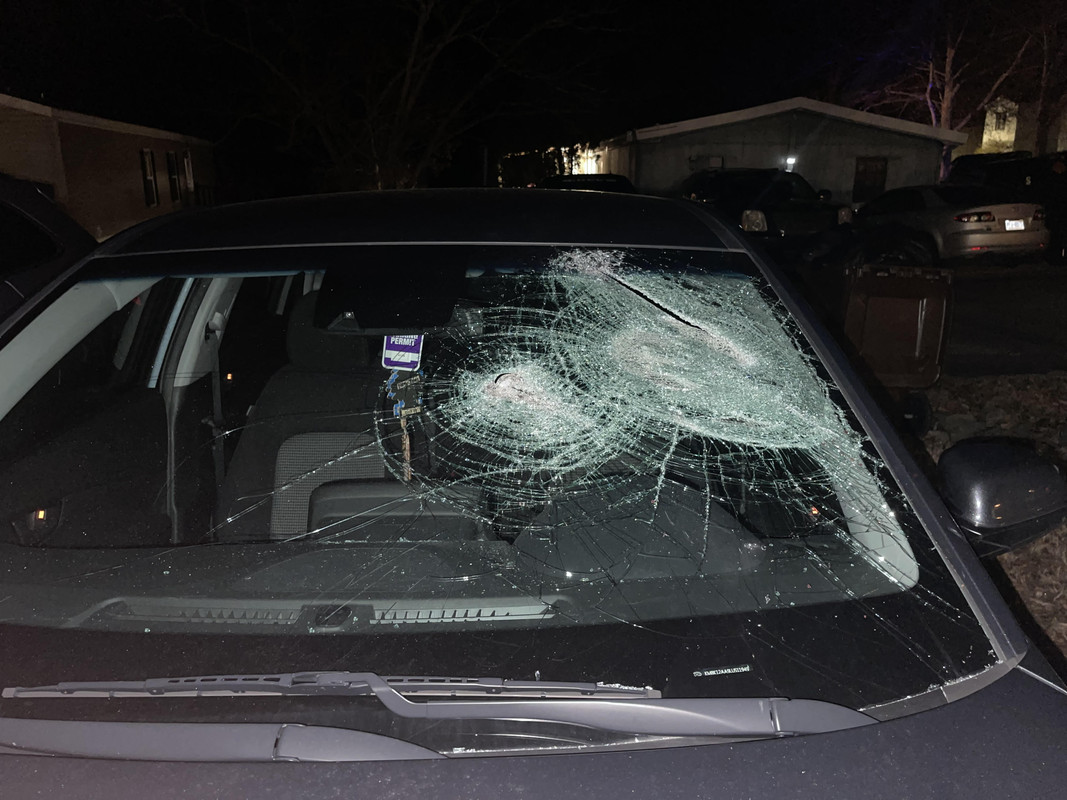
Auto glass replacement Charleston SC enters the picture for long cracks, damage near sensors or the VIN cutout, and any impact that left crushed glass layers, not just a surface pit. Rear and side glass are laminated or tempered depending on the vehicle. Tempered side glass shatters into beads, which is why break-ins leave you with a sparkling mess. Those panes can’t be repaired. Laminated side glass, more common in higher trims for sound deadening, sometimes can be sealed if the damage is small, but most cases still call for replacement.
ADAS calibration in Charleston: when a mobile job needs a shop finish
Cameras and radar changed the auto glass trade. Lane-keeping cameras, forward collision sensors, rain sensors, and heads-up display patches all live near or on the windshield. After a windshield replacement, those systems often require calibration to ensure they interpret the road correctly. ADAS calibration Charleston SC comes in two flavors. Static calibration uses targets set at precise distances in a controlled environment. Dynamic calibration, which some manufacturers permit, involves driving the vehicle at specific speeds under certain conditions while the system self-adjusts.
Mobile teams can reinstall sensors and restore functionality, but not every vehicle allows dynamic calibration. European brands and many newer models require static procedures that need a level floor, measured target placement, and controlled lighting. If your car’s camera bracket was disturbed or your radar sits behind the windshield, expect a calibration step. Some providers pair mobile replacement with a same-day shop calibration, or they dispatch a calibration unit equipped for mobile static setups, but only if the site allows accurate target placement. If you drive a recent Subaru, Toyota, Honda, or BMW, ask upfront about calibration steps and location requirements. Skipping it isn’t an option.
Weather, curing, and Charleston realities
Humidity and temperature drive adhesive behavior. Urethane adhesives list minimum and maximum safe cure temperatures. Charleston rarely dips below those thresholds in the day, but winter mornings can get close. In the heat of July, a black dashboard can reach 150 degrees. Adhesive flashes fast, which sounds good until you realize you have less working time to set the glass. An experienced tech stages the job carefully, primes early, and avoids stretched beads or rushed placements.
Afternoon thunderstorms are the wildcard. Even a few stray droplets can contaminate a bond. If rain threatens within the safe drive-away window, a mobile team might call to reschedule or suggest a shop slot. You want a technician who is comfortable walking away from a risky setup rather than gambling with your safety. It’s not a sales tactic. It’s physics.
Insurance and cost: what to expect
Insurance auto glass Charleston SC claims are straightforward for most policies. Comprehensive coverage usually covers glass damage, separate from collision. In South Carolina, some carriers offer full glass coverage with no deductible, often as an optional add-on. Others apply your comprehensive deductible. If your deductible is $500 and the windshield costs $450, insurance won’t help. For chip repair Charleston SC, many insurers waive the deductible to encourage repair over replacement.
Cost varies by vehicle, sensors, and glass type. A basic sedan windshield might run a few hundred dollars. Add a heads-up display, acoustic interlayer, heated wipers, and a camera mount, and that number climbs. Calibration adds another line item, often a couple hundred dollars, sometimes more if static targets are required. A reputable shop will price OEM, OE-equivalent, and aftermarket options. OEM glass matches the automaker’s logo and specs. OE-equivalent is made to the same standard by a supplier that may produce OEM glass insurance auto glass charleston sc for other models. Aftermarket varies. On newer vehicles with sensitive cameras, OEM or high-grade OE-equivalent reduces the risk of image distortion.
If someone quotes a rock-bottom price that seems out of band, ask what adhesive they use and whether calibration is included. The adhesive should meet FMVSS 212/208 standards, with a clear safe drive-away time. If calibration is required, you should see it on the estimate, not as an afterthought.
When mobile shines, when the shop is smarter
Mobile wins for single chip repairs, straightforward windshield replacements without complex sensors, and side or rear glass swaps where the door and trunk structures are intact. The convenience is real. You can keep working from your laptop while the tech handles the car outside. For fleet managers, mobile keeps vehicles on the lot instead of idling at a shop.
The shop becomes the better choice if the car has advanced ADAS that requires static calibration, if the weather won’t cooperate, if the windshield opening shows corrosion or paint damage that needs prep work, or if you’ve got an intermittent glass leak that needs a controlled water test and a smoke machine to pinpoint the path.
Leaks, squeaks, and wind noise: prevention and cures
Glass leak repair Charleston SC usually traces back to three culprits: contaminated or insufficient urethane, damaged pinchwelds, or aged seals and molding. Water can travel in surprising ways. It can drip from the headliner but originate at the A-pillar. A mobile tech can perform a gentle water test, but complex leaks justify a shop visit where dye and UV lamps or smoke can identify the exact path. Wind noise often comes from misaligned moldings, gaps at the glass edge, or a windshield that sits too high or low. Small adjustments make big differences. Shimming and resetting are skills that take practice. If your car left another shop with a whistle at 45 mph, a seasoned installer can usually solve it in a single session.
Your pre-appointment checklist
- Park in a spot with at least three feet of clearance around the vehicle, ideally shaded or under cover. Remove valuables and child seats so the tech can work quickly and safely. Share calibration details if you know them. A photo of the windshield camera area helps. Avoid washing the car or touching the glass edges for 24 hours after replacement. Plan for the safe drive-away time and keep doors closed firmly, not slammed, during the first day.
What good workmanship looks like
A clean bead line, uniform and fully contacting the glass and the pinchweld, matters more than showroom shine. Moldings sit flush, corners line up, and there’s no urethane on the paint. Inside, your dash is clean, mirrors and sensors mounted firmly, and the rain sensor gel pad shows no bubbles. If the vehicle has lane cameras, the tech should walk you through warnings or messages, then confirm calibration status. If you asked for a windshield repair, expect the blemish to fade, not vanish. The structural fix is the point.
A detail that many overlook: door glass up and down movement after side window repair Charleston SC should be smooth with no binding or clicking. If it struggles at the top, the tracks may need a tiny adjustment. Catch it before the tech leaves.
Charleston-specific wear and tear
Driving between salt air on Sullivan’s Island and marshland humidity near West Ashley accelerates corrosion around window frames. Older trucks often show paint bubbles under the windshield molding. Removing glass can reveal rust that needs to be sanded, treated, and primed. That adds time. A responsible installer flags it and gets your approval before proceeding. Expect an extra 30 to 60 minutes.
Construction zones on I‑26 sprinkle fine grit that chips at highway speeds. Small nicks near the passenger side often go unnoticed until a cold snap spreads them into a crack. Fix chips early. Resin is far cheaper than glass. Beach trips bring sand into door seals, grinding the glass every time you lower the window. A quick rinse along the beltline seal during car washes cuts down on scratches.
OEM vs aftermarket, and how it affects ADAS
On ADAS-equipped vehicles, the optical quality of the windshield matters. Distortion around the camera area can interfere with the way the system reads lane lines and objects. That’s why some manufacturers specify OEM only. Others allow OE-equivalent grades that match optical clarity and tint. If your vehicle has a heads-up display, cheap glass can cause double images, like a ghost speedometer hovering above the real one. Pay attention to the spec sheet. Ask your shop how often they calibrate your particular make, and what glass they use. Consistency in parts and process keeps systems predictable.
Safety on the day of service
After a windshield replacement, avoid slamming doors for 24 hours. The pressure spike can push against fresh urethane. If you need to drive, the tech will give you a safe drive-away time. Respect it. Tape along the top edge of the glass isn’t a fashion statement. It keeps moldings seated while the adhesive sets. Leave it until the next day.
For side and rear glass, expect a thorough vacuum, but be realistic. Tempered glass finds its way into fibers and seams. You may discover a few tiny beads weeks later in the trunk well or under the seat rail. A careful tech uses a borescope attachment or a slim nozzle to chase debris, yet some pieces hide where even pros can’t reach in one visit.
What a seasoned technician notices that most people miss
A tiny offset between the glass and body line means more than aesthetics. It can direct wind into a whistle at highway speed. A mirror mount that feels slightly loose hints that the bracket adhesive was not prepped correctly. A faint ammonia smell after installation signals that a cleaner may have contaminated the bonding surface. None of these should be ignored.
On chip repairs, an installer will check for legs extending to the edge. Even if you can’t see them, polarized light can reveal them. If a leg touches the edge, the risk of spread remains high. Recommending replacement in that case is the honest call, even if repair would be faster.
Working with fleets and company cars
Fleet managers in Charleston juggle uptime and safety. Mobile auto glass replacement Charleston SC can keep vehicles in service with minimal disruption. Morning chip repair across a row of vans gets them back on the road by lunch. Build a relationship with a provider who tracks VINs, glass options, and ADAS needs. Standardize adhesives and calibration procedures across the fleet to avoid surprises. For vehicles that run routes near shipyards or construction, schedule monthly inspections for small chips. Catching five repairs early can save you from five replacements later.
Myths that need retiring
Mobile means lower quality. That’s false when the tech brings the right tools and knows when to postpone for weather. Shop glass is always OEM. Not necessarily. Shops stock what the market demands. You can request OEM, but it may need to be ordered. Calibration is optional if warning lights are off. Wrong. Many systems won’t flag a misalignment immediately. If the manufacturer calls for calibration, skipping it risks delayed or incorrect system responses.
When you should insist on a shop visit
- You need static ADAS calibration that requires precise targets and a level, controlled space. The windshield opening shows rust, paint issues, or prior poor repairs that need careful prep. Weather is stormy or winds are strong enough to blow debris into the work area. You’re dealing with a complex water leak that needs pressure testing and dye tracing. Your parking situation won’t safely fit the technician’s workspace or canopy.
A practical path for Charleston drivers
Start with a clear description. Share the year, make, model, and trim. Mention any driver aids you rely on, like lane assist or adaptive cruise. Text a photo of the damage and the sensor cluster near the mirror. Ask if your case needs ADAS calibration and whether dynamic or static will be used. Discuss glass options, and be upfront about insurance. If you’re near Mount Pleasant with a covered carport, mobile is probably ideal. If you park curbside downtown with no overhead cover and rain on the way, book the shop. Good providers give you both options without pushing one over the other.
Choose a team that takes measurement seriously, cleans as they go, and will stop rather than risk a bad bond. Ask which urethane they prefer and why. Brands aren’t secret. Professionals are happy to explain their choices. If they handle ADAS calibration Charleston SC in-house, ask how many of your make they do each month. Repetition breeds accuracy.
Charleston’s streets punish glass, but you don’t need to lose a day to fix it. With the right call between mobile and shop, and a technician who respects the details, you get safe, quiet glass, sensors that read the road like they should, and a car that feels whole again.